I once watched a colleague stake 200 pounds on a Comeback Player of the Year future in July and forget about it until late December, when he discovered the player had missed the entire season with a setback to the same injury he was supposedly coming back from. The stake was dead by Week 4 and we both should have known better, because the CPOY market is the single most injury-dependent futures category on the NFL board, and treating it as a fire-and-forget position is the cleanest way I know to lose money in this niche.
This piece is about reading the CPOY market the way it actually works: as a probability-of-staying-healthy bet wrapped in a return-narrative bet, with quarterback positional bias on top, and with the unusual UK pricing dynamics that come from the market’s small action pool.
Comeback Player of the Year Narratives: Injury Recovery Voting Trends
CPOY is the most narrative-driven of all major NFL awards. The voters do not reward absolute statistical production. They reward the gap between the player’s previous season and the comeback season, weighted heavily by the severity of the injury or setback being returned from. A player coming back from a season-ending ACL tear who plays well is a stronger CPOY candidate than a player coming back from a procedural absence who plays equally well, even though their statistical lines might be identical.
The voter logic is straightforward. The award exists to celebrate the recovery story, and the bigger the obstacle being overcome, the more compelling the story. The trader implication is that the CPOY board should be screened by injury severity first and player ceiling second. A second-tier player returning from a major injury can carry more CPOY probability than a top-tier player returning from a minor one, which inverts the price intuition the casual punter typically brings to the market.
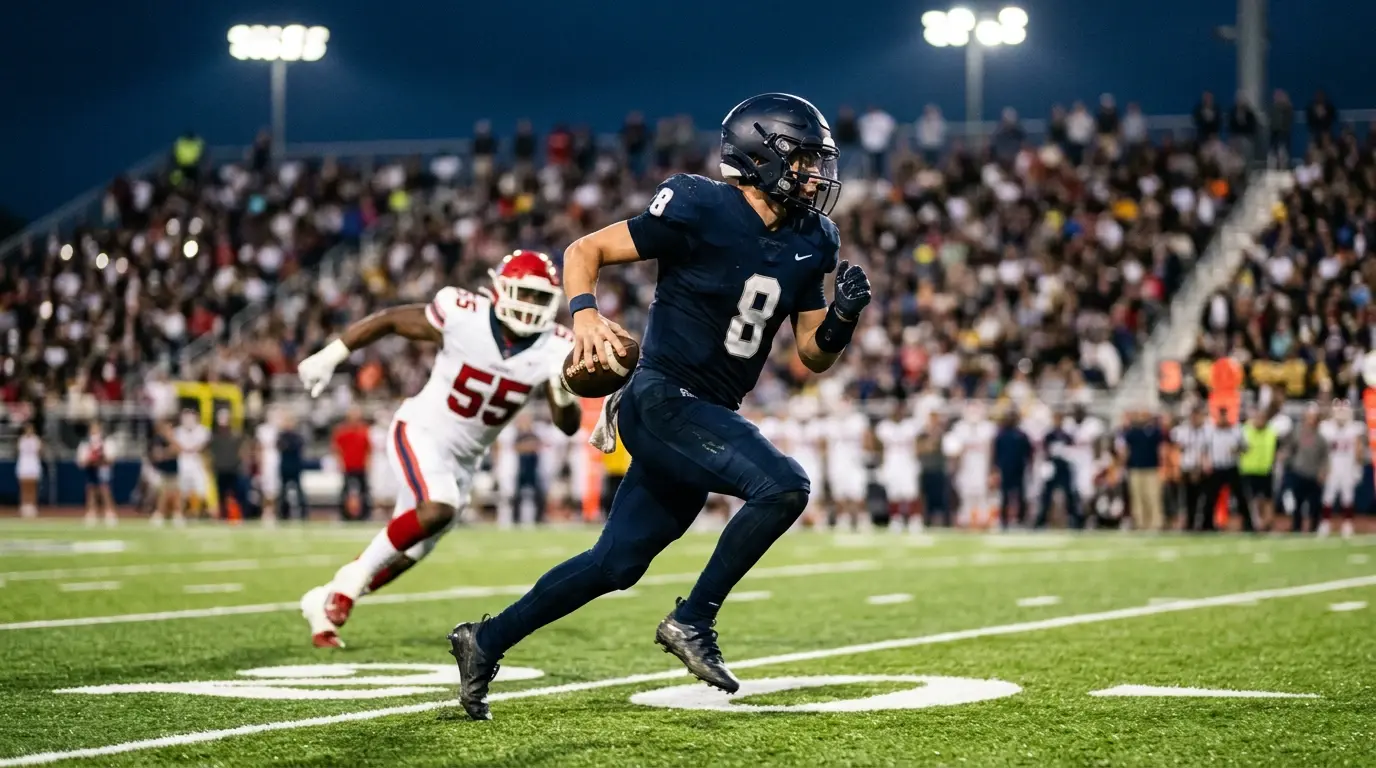
The quarterback bias on this market is even more pronounced than on MVP. In the last fifteen seasons, quarterbacks have won CPOY in roughly half of all years, which is dramatically disproportionate to the position’s share of the candidate pool. The reason is that quarterback return narratives are the most heavily covered injury-return stories in the league, and voter attention concentrates on the candidates the media has spent the offseason discussing.
The injury-severity gradient and how to read it
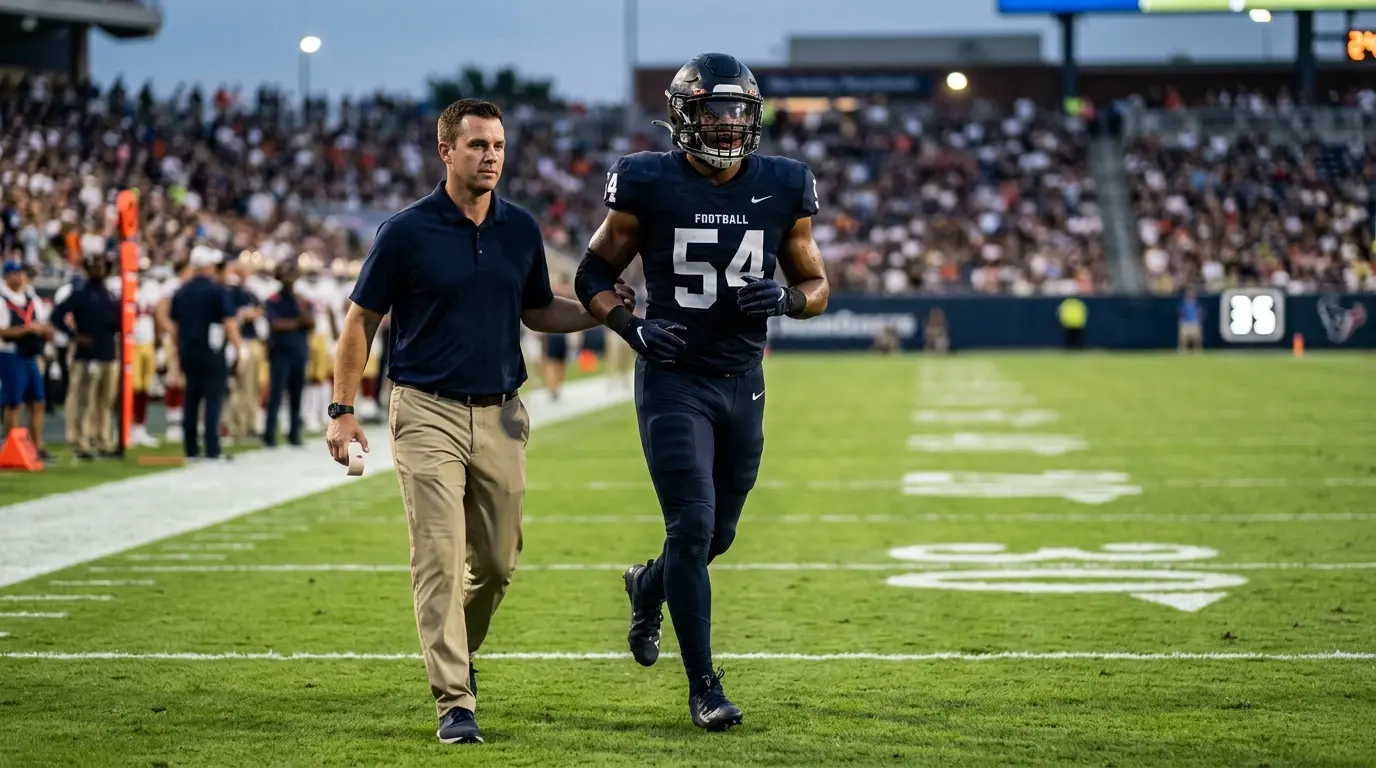
Not all injuries produce equal CPOY probability. The hierarchy that emerges from the historical data has ACL and Achilles tears at the top, multi-game concussion or neurological absences just below, and procedural or routine surgical absences at the bottom. A player returning from an ACL tear who plays at 80 per cent of his previous level is a stronger CPOY candidate than a player returning from a routine procedure who plays at 100 per cent.
The severity gradient also extends to multi-season absences. Players who missed an entire season have an outsized CPOY advantage over players who missed a partial season, because the one-year gap creates a cleaner narrative reset. The voter pool engages more strongly with a comeback that involves a missed full season than one that involves only a missed playoff run, even when the underlying injury severity is comparable.
The implication for screening is to weight the calendar gap explicitly. A player who has not played meaningful football in 14 to 18 months carries a meaningfully higher CPOY probability than a player whose gap was four or five months, all else being equal. The futures market sometimes fails to price this calendar gap correctly, particularly when the player in question was previously a star whose price gets anchored to his pre-injury reputation rather than to the actual length of his absence.
UK pricing margins on a thin market
The CPOY futures market on UK books has thin action, even by niche-award standards. Most UK punters who back NFL futures concentrate on Super Bowl outright and MVP, with smaller cohorts on Offensive Player of the Year and Coach of the Year. CPOY sits below those in action volume, which produces margins typically running 10 to 14 per cent on the major UK books, compared to 4 to 6 per cent on Super Bowl outright.
The cross-book divergence on CPOY is correspondingly wide. The same player can be priced at 10-to-1 on one major UK book and 16-to-1 on another, which represents a 60 per cent better return for the same probability assessment. The Entain group has reported 11 to 12 per cent year-on-year NFL growth across its UK brands, but that growth has not yet rebalanced the action distribution toward niche markets like CPOY. Until the action deepens, the margin and divergence patterns will continue to favour the cross-book line-shopping punter.
The CPOY market also has a structural pricing quirk that other futures markets do not share. Because the candidate pool depends on which players are returning from injury in any given season, the CPOY board can have radically different shapes year to year. Some preseasons offer a clear two-or-three-player favourite tier. Other preseasons have no obvious favourite and the board opens with five or six candidates priced inside 15-to-1. The shape of the board matters for staking strategy: a flat board favours the disciplined longshot approach, while a top-heavy board favours focused stakes on the second-tier candidates with cleaner injury profiles than the headline names.
The three filters I apply before staking
The CPOY screening process I run is faster than the other awards because the candidate pool is so much smaller and clearer. The first filter is the injury verification filter. Is the player’s return realistic on the medical timeline that has been reported? A quarterback returning from a major shoulder procedure in March faces a different recovery curve than a quarterback returning from the same procedure in November of the previous year. The shorter the recovery window, the lower the CPOY probability, regardless of the player’s pre-injury reputation.
The second filter is the snap-share access filter. Is the player guaranteed to be the starter from Week 1, or is there a competition for the role? Quarterbacks who lose camp battles cannot win CPOY because they cannot accumulate the statistical production required. Skill-position players in committee situations have similarly compromised CPOY paths. The futures market sometimes mispricies players who are facing genuine snap-share competition, treating the position as if the return alone guarantees the role.
The third filter is the team-quality filter, applied as a moderator. CPOY winners typically come from teams that finish above 0.500 because the narrative requires the comeback player to be associated with team success. A player returning to a 4-13 team has a structurally harder CPOY case than a player returning to a 10-7 team, even when their individual performances are comparable. The trader implication is to weight team strength as a CPOY input, not just player return.
Once those three filters are applied, the candidate pool typically shrinks from the eight to ten names on the preseason board to three or four genuine contenders. Concentrating stake on the three or four survivors at competitive cross-book prices is the most consistent staking pattern I have found in this market, more so than spreading stake across the wider candidate pool in hopes of a longshot pay.
The mid-season opportunity that the market misses
CPOY positions can be staked profitably after Week 4 of the regular season, once the early-season injury-return performance is visible and the futures market has begun to update. The pricing pattern in those weeks is consistent: the headline preseason favourites typically retain short prices even when their early-season production has underwhelmed, while sleeper candidates who started slowly but are trending upward remain at meaningful longer odds.
The October value tends to live on candidates whose first three games showed clear health and snap-share access but whose statistical production was modest. By November those same candidates can produce the narrative-defining games that drive CPOY balloting, and their futures prices typically catch up too slowly for the disciplined punter to miss the window. The lesson is to keep the CPOY board active well past preseason and to re-screen the candidate pool every four weeks rather than treating the August stake as the only opportunity.
The mid-season screening also pairs naturally with the screening process for the rookie awards, and the related piece on Offensive Rookie of the Year futures covers the parallel patterns on the rookie side of the awards board.
A market shaped by stories the rest of the public has not read carefully
The Comeback Player of the Year futures market rewards careful reading of injury timelines, snap-share situations, team contexts and the calendar-gap variable that the casual punter typically ignores. The narrative engine that drives the voting is consistent, the quarterback bias is consistent, the wide cross-book pricing is consistent, and the mid-season repricing window is consistent. None of those patterns is hidden in obscure data. They are visible in the historic ballot record and the live prices on the major UK books. The reason the market remains exploitable is that almost no British punter treats CPOY as a serious analytical category, and the small number who do are competing against a slow-moving market with thin liquidity. That combination is unusually friendly to disciplined value-hunting, and the market is worth the homework every preseason.